

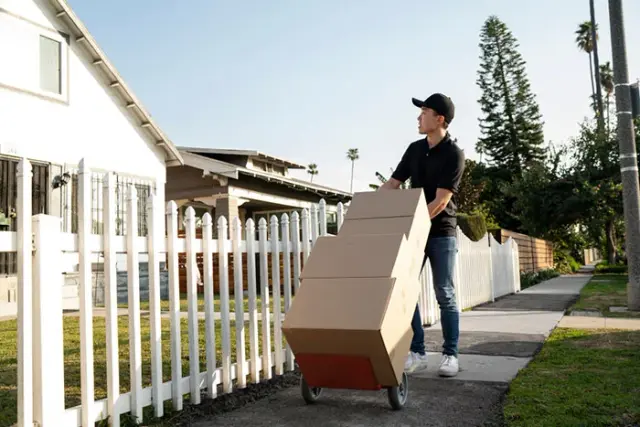
Moving to a new home, especially a long-distance move and a new region, is one of life's most significant transitions. Whether you are relocating locally or across the country, the success of your move hinges on meticulous planning and systematic execution. We have created a hassle-free checklist for moving day and after moving day, based on our clients' experience. They shared their feedback in response to our request. This comprehensive guide transforms from a stressful moving experience into a manageable, organized process.
Why You Need a Moving Day Checklist
Without a structured approach, moving day quickly becomes chaotic. A detailed checklist serves as your roadmap and reduces the last-minute panic. Professional movers demonstrate efficiency in transitions with systematic plans. Your checklist becomes a decision-making tool that not only eliminates confusion and allocates resources efficiently but also protects your belongings throughout the relocation process. The most successful moves share one common element: preparation begins weeks before moving day. By breaking down tasks into manageable phases, you gain control over what can otherwise feel overwhelming.
Prepare Your Checklist
Creating Your Foundational Moving Document
Your moving checklist should be personalized to your specific situation, yet comprehensive enough to cover all necessary tasks. Start by documenting your moving date, time, and mover contact information at the top. Include utility provider names and phone numbers, new address details, and emergency contacts for quick reference.
The organization requires categorizing tasks into three phases: before the move, during the move, and after the move. This structure allows you to focus on what matters most at each stage.
A Room-by-Room Checklist
Packing and unpacking are easier if you go room by room. Walk through your home and look at each space carefully. In every room, make a list of what you want to keep, donate, sell, or throw away. This way, you can keep track of your things and pack them according to where they belong in your new place.
Document each room's contents on your checklist, noting furniture dimensions to verify that it will fit through doorways and hallways in your new home. Photograph valuable items for insurance purposes and record serial numbers for electronics. This detailed inventory protects against loss or damage and provides documentation for claims if needed.
Start with the Items You'll Need
Creating an "essentials box" and keeping it separate from the moving truck. Either keep it in your vehicle or the first box so that it remains easily accessible on moving day. Pack toiletries, medications, chargers, kitchen utensils, valuables, important documents like passports, driver's licenses, insurance documents, and lease agreements, etc. These preparations allow you to access necessities without digging through dozens of boxes. You can also include refreshments such as tea, coffee, snacks, and bottled water.
On Moving Day: Prioritizing Your Things
Starting Early Maximises Efficiency
Begin your moving day well before the movers arrive. Complete any last-minute packing and cleaning as early as possible to give yourself a buffer for unexpected delays. Early starts offer psychological advantages, preventing the panic that comes with rushed timelines.Double-check all rooms, cupboards, closets, and spaces where items accumulate—behind doors, under beds, in storage areas. These locations often contain forgotten belongings.
Coordinating With Your Moving Team
Introduction and communication set the tone for smooth operations. Greet your moving crew, introduce yourself, and discuss high-priority items and specific placement instructions for your new home. Clearly identify which boxes contain fragile items requiring extra care. Monitor weather conditions and adjust plans accordingly. If rain threatens, cover boxes and furniture with tarps. Watch the movers' progress without hovering, staying available for questions and decisions. Remaining calm under pressure—which moving day guarantees—influences how the team performs.
Protecting Your Most Valuable Possessions
Keep expensive and sentimental items with you, rather than entrusting them to the moving truck. Jewellery, cash, important documents, and irreplaceable heirlooms should travel with you. This provides peace of mind throughout the moving process. Before the moving truck departs, ensure all utilities at your previous residence are turned off. Check that all windows and doors lock securely. Walk through the empty home one final time, looking inside closets, cabinets, and storage spaces you might have missed.
Managing Pets and Family During the Transition
Moving-day stress affects not only you but also your family members and pets. Arrange childcare or pet care to remove distractions and prevent accidents. If children or elderly family members remain present, assign them specific, simple tasks—keeping them occupied while keeping them safe from heavy moving equipment.
Update your pet's microchip with your new address before moving day. Upon arrival, keep familiar bedding and toys unwashed so pets recognize scents from their previous home, easing their adjustment to new surroundings.
After Moving Day: Unpack with Manageable Steps
Start Your Unpacking on a Priority Base
Begin your unpacking with the most frequently used space: rooms, bedrooms and bathrooms. These spaces determine your immediate comfort level and functional capability. A comfortable bed with fresh linens becomes your sanctuary after an exhausting day. Also, a functional bathroom supports basic hygiene and routine maintenance.
Set realistic daily unpacking goals rather than attempting to unpack everything at once. Take one room at a time, completing it fully before moving on to the next. This focused approach generates visible progress and prevents the overwhelming sensation of being surrounded by unopened boxes.
Your Bedroom Setup
Keep it as a top priority to make your bed with fresh linens, pillows, and comfortable bedding so that you get a cosy rest space after a long day. Next, you can focus on hanging essential clothes in closets and organising drawers. Then go ahead and set up the lamps and clocks immediately—you'll need lighting as evening approaches, and clocks help maintain regular daily routines.
Bathroom Organization
It is also necessary to organise your bathroom to continue your routines. So unpack your essential toiletries, which include toothpaste, soap, shampoo, towels, and more. Organising bathroom items as you unpack keeps things tidy and prevents the frustration of searching through boxes for everyday necessities.
A functional bathroom enables quick morning routines and basic hygiene without constant hunting for supplies. Spend 30 minutes thoroughly organizing this space, and you'll appreciate the efficiency you gain throughout your first week.
Kitchen Setup for Immediate Functionality
Unpack the dishes, pots, pans, and utensils next so that you can cook meals immediately. The better your kitchen works early on, the less you'll spend on takeout—a practical financial consideration after moving expenses. Organize your pantry and refrigerator so ingredients are easy to find.
Label cabinet contents during unpacking to make future cooking and meal preparation more efficient.
Living Room Comfort Zone
By the end of your first day, establish seating and entertainment systems. Set up a television or reading area where family members can relax together. This comfortable space provides essential mental breaks during the unpacking process and reinforces that your new house is becoming a home.
Strategic Pacing Prevents Overwhelm
Realistic unpacking timelines range from a few days to two weeks, depending on the volume of your belongings and your work schedule. Set daily objectives—perhaps one room per day—and pace yourself accordingly. You'll feel less overwhelmed accomplishing tasks incrementally rather than attempting everything at once.
Don't hesitate to ask friends and family for help with unpacking.
Conclusion: Hassle-Free Settling Into Your New Home
Moving day success emerges from preparation, organization, and realistic expectations. With a prepared moving checklist and actionable, concluded unpacking strategies, you can transform one of the most stressful events into a manageable, organised process.
Allow yourself and your family time to adjust to your new place. With the proven strategies and checklists, you'll settle faster and more comfortably than you might have dreamed. Your new beginning awaits—approach it with confidence and organisation, and with these reliable moving-day and after-moving-day tips.