

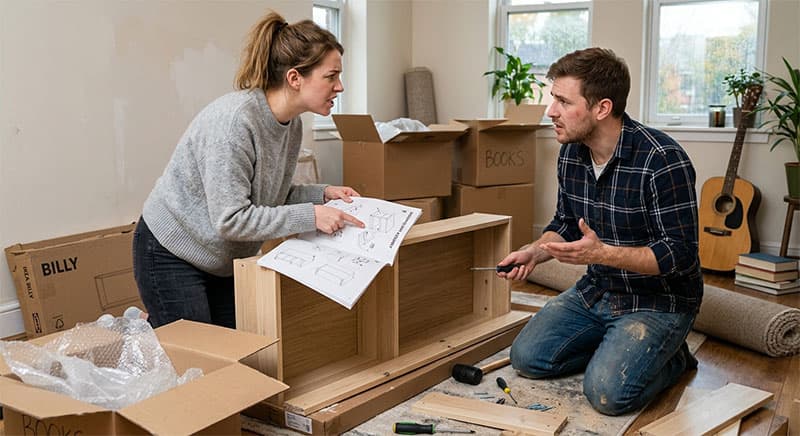
It feels simple to move any furniture; pick it up and load it into a truck. But it is not the same as. Requires proper, skilled handling when moving a Heavy sofa, wooden dresser, glass table, or a delicate antique piece. Additionally, the right furniture moving supplies are as important as the right techniques. It protects furniture and property from damage and ensures safe handling throughout.
Whether you're shifting from one room to another, from one floor to another, or to a far location, having the right supplies for moving your furniture can make the entire process faster, safer, and far less stressful.
Why the Moving Supplies Matter
Furniture is often the most expensive and difficult part of any household move. Unlike boxes of clothes or kitchenware, large furniture pieces are awkward to lift, difficult to maneuver, and far more vulnerable to dents, scratches, and impact damage.
Using quality moving supplies helps in several important ways:
Protects your belongings. Furniture blankets, stretch wrap, and padding help prevent scratches, dents, and other damage during loading and transport.
Speeds up the moving process. Organized boxes, labels, and protective materials ensure that everything is in order.
Safe lifting. Dollies, moving straps, and hand trucks reduce physical strain and make heavy items easier to handle.
Keeps everything organized. Proper labelling makes unpacking much quicker once you arrive.
Saves money. Spending a little on quality packing materials is far less expensive than repairing or replacing damaged furniture.
Think of your moving supplies as an investment. A few dollars spent on protective materials today can save hundreds in repair costs after the move.
Complete Supplies Checklist for Packing & Moving Valuable Furniture
These essential supplies are key to a before-moving-day checklist, especially for residential moves. Make sure you have it all on moving day.
Boxes and Containers
- Different sizes of boxes (small, medium, and large) for everyday household items
- Number of Heavy-duty boxes or containers for books, tools, kitchen appliances, and other heavier belongings
Protective Wrapping Materials
- Bubble wrap for glass, electronics, mirrors, and delicate décor
- Quality packing paper for wrapping dishes, ornaments, and sensitive items.
- Furniture blankets to protect sofas, tables, cabinets, and dressers from scratches and impacts
- Stretch wrap to secure drawers, keep blankets in place, and protect surfaces from dirt
- Bags that keep mattresses clean and dry throughout.
- Plastic furniture covers for upholstered chairs and sofas
- Corner protectors for tables, mirrors, artwork, and sharp furniture edges
Sealing and Labelling Supplies
- Strong packing tape for securely sealing every box
- Permanent markers and labels to identify contents and destination rooms
- Zip-lock bags for screws, bolts, brackets, and other hardware removed during disassembly
Basic Equipments
- A basic toolkit for disassembling large items: beds, tables, shelving units, etc.
- Straps to distribute weight evenly while lifting
- Adolly to transport heavy items with limited manual support
- A hand truck to move tall appliances and stacked boxes
- Scissors and a utility knife
Additional Protection for Items that Matter the Most.
Some pieces deserve special care and handling throughout the move.
Glass Tables and Mirrors
Things need to be done in the right order and the correct way: protect the corners, wrap in bubble wrap, cover with a furniture blanket, and transport upright rather than flat. Doing all that lowers the risk of cracking.
Antique and Wooden Furniture
Packing paper or a soft moving blanket is a better option for wrapping the finished wood than other options. Plastic wrap can cause damage from trapped moisture, especially over long distances. As well, secure the furniture with stretch wrap.
Leather Furniture
We know that leather material can scratch easily. Taping directly to the leather is not as protective as we expect. So, use the plastic sheet to cover it, then stretch-wrap it to hold it during the move.
Electronics
If possible, use their original or nearly the same-size boxes to pack the electronics. If not, use anti-static bubble wrap and ensure it remains stationary during transport.
Artwork and Picture Frames
Corner guards and bubble wrap must be used to protect the framed artwork, while a strong cardboard backing adds protection. Any extra protective layer makes it secure from punctures or pressure damage.
Packing Tips Before Moving Day
A little preparation before moving day can save hours of work later.
- Disassemble large furniture such as beds, sectionals, and shelving units in advance.
- Store all screws, bolts, and fittings in labeled zip-lock bags attached to the matching furniture.
- Wrap delicate finishes before stacking or leaning furniture against walls or other items.
- Label boxes on the sides rather than the top so they're easy to identify when stacked.
- Protect flooring, stair railings, and door frames with cardboard or moving blankets.
- Avoid overpacking boxes, as excessive weight increases the risk of injury and damaged cartons.
Spending an extra hour preparing properly can prevent an entire day of repairs, cleaning, and unnecessary frustration.
DIY vs Professional Services
It is not enough to have a complete furniture-moving supply; your approach also matters: DIY vs. an inexperienced crew vs. professional furniture movers. But it depends on budget, schedule, and the size of your move.
| Factor | DIY Packing | Professional Help |
|---|---|---|
| Time | Slower, spread over days | Faster, often done in hours |
| Cost | Lower upfront cost | Higher upfront cost, fewer hidden costs |
| Convenience | Requires planning and labour | Hands-off for the homeowner |
| Safety | Higher risk of strain or injury | Trained handling of heavy items |
| Risk of damage | Higher without experience | Lower, with proper equipment |
Packing and moving yourself may work well for smaller homes, apartments, or student moves. However, larger homes, valuable furniture, and long-distance relocations often benefit from hiring experienced movers. Professional crews arrive with specialized equipment, protective materials, and the expertise to move oversized furniture safely through staircases, elevators, and tight hallways.
Conclusion
Your move will be successful, largely depending on how you pack the furniture before the truck arrives. If you have the right furniture-moving supplies, you not only protect your belongings but also speed up the packing process. It is a relief from the unnecessary stress of moving day.
Whether you're handling the move yourself or working with professional furniture movers, proper preparation and the right supplies are key to a smooth relocation.